 Call Us : 08045812334 Call Us : 08045812334
 Get A Quote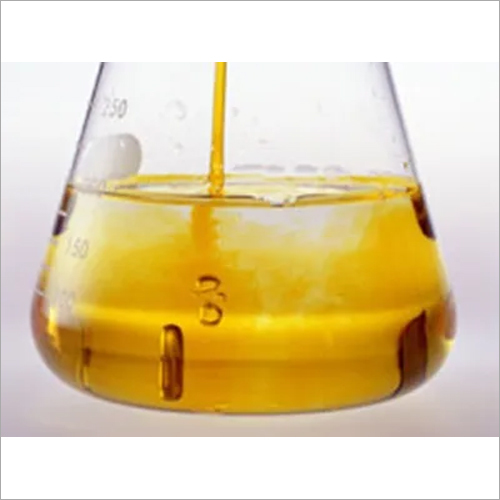
Polyglycerol Polyricinoleate
300 INR/Kilograms
Product Details:
- Water Solubility Yes
- Type Flavoring Agents
- Color White, Yellow
- Purity 99%
- Application Industrial
- Storage Room Temperature
- Click to View more
X
Polyglycerol Polyricinoleate Price And Quantity
- 300 INR/Kilograms
- 10000 Unit
Polyglycerol Polyricinoleate Product Specifications
- Yes
- 99%
- Room Temperature
- White, Yellow
- Flavoring Agents
- Industrial
Polyglycerol Polyricinoleate Trade Information
- 10 Unit Per Day
- 2-3 Days
- All India
Product Description
Banking upon our market understanding and well known team of professionals we have ranked ourselves as a trusted Trader and Importer of hugely reckoned Polyglycerol Polyricinoleate. It is an emulsifier, which is derived from glycerol and fatty acids. It effectively reduces the viscosity of chocolate and similar coatings compounds. Polyglycerol Polyricinoleate works by decreasing the friction between the particles of sugar, cacao, milk, etc.
Note: This is made up of a short chain of glycerol molecules, that are connected by ether bonds.
Polyglycerol polyricinoleate (PGPR), E476, is an amulsifier made in a three-step process (2) from glycerol and fatty acids (usually castor bean derived). PGPR reduces the viscosity of chcolate and similar coatings and compounds
| Packaging Size | 1 kg |
| Manufacturer | Intas Pharmaceuticals Ltd |
| Usage/Application | Industrial |
| Prescription/Non prescription | Prescription |
| Form | Food Emulsifier |
| Country of Origin | Made in India |
Key Applications and Uses
Polyglycerol Polyricinoleate (PGPR) is widely used in pharmaceutical preparations due to its emulsifying properties, enhancing the texture and stability of various formulations. In industrial settings, it acts as a reliable flavoring agent, improving product quality. Its water solubility and liquid form make it convenient for diverse manufacturing processes.
Storage and Handling
PGPR maintains its effectiveness when stored at room temperature, making it easy to handle in typical facilities. Its non-poisonous nature ensures safety during storage and processing, allowing for straightforward stock management and minimal risk to personnel.
Benefits of Using PGPR
Utilizing PGPR can enhance the efficiency of your manufacturing operations, improve final product consistency, and provide reliable emulsification. Its high purity levels (97% and 99%) ensure minimal contaminants, making it suitable for sensitive pharmaceutical and demanding industrial requirements.
FAQ's of Polyglycerol Polyricinoleate:
Q: How should Polyglycerol Polyricinoleate be stored for optimal quality?
A: PGPR should be kept at room temperature in a cool, dry location. This ensures the product maintains its liquid form and effectiveness over time.Q: What are the main applications of PGPR in pharmaceuticals and industry?
A: This compound is primarily used as a flavoring agent in both pharmaceutical and industrial settings. In pharmaceuticals, it helps with emulsification, while in industry, it enhances the texture and stability of products.Q: When is it beneficial to use high purity (97% or 99%) PGPR?
A: High purity PGPR (97% or 99%) is ideal for applications where product safety, consistency, and efficacy are crucial, such as in pharmaceutical formulations and high-quality industrial products.Q: Where can I source PGPR in India?
A: PGPR is available through multiple distributors, suppliers, and traders across India, making it accessible for businesses in various sectors requiring this specialty ingredient.Q: What is the process for using PGPR as a flavoring agent?
A: Typically, PGPR is incorporated into formulations by blending it with other ingredients. Its water-solubility and liquid form allow for seamless integration during the manufacturing process.Q: Is Polyglycerol Polyricinoleate poisonous or hazardous?
A: No, PGPR is classified as non-poisonous and is safe for use in pharmaceutical and industrial applications when handled according to recommended guidelines.Tell us about your requirement

Price:
Quantity
Select Unit
- 50
- 100
- 200
- 250
- 500
- 1000+
Additional detail
Mobile number
Email

Other Products in 'FOOD AND FOOD ADDITIVES' category

Sonipat, Haryana

- 582,, HSIIDC Industrial Area, Rai, Sonipat - 131029, Haryana, India
- Phone : 08045812334


 Send Inquiry
- Mr Naveen Jain (Director)
- Mobile :08045812334
- KAILASH CHEMICALS
(A UNIT OF SHANTI FOOD INDUSTRIES)
Marketing Office : 46 Phase -II Second Floor, Badli Industrial Estate Badli, Delhi-110042
Head Office Address : 582, Food Park HSIIDC Industrial Area Rai, Haryana - 131029


 Send Inquiry
 Send SMS
 Call Me Free
|

SHANTI FOOD INDUSTRIES
All Rights Reserved.(Terms of Use)
Developed and Managed by Infocom Network Private Limited.
Developed and Managed by Infocom Network Private Limited.

