 Call Us : 08045812334 Call Us : 08045812334
 Get A Quote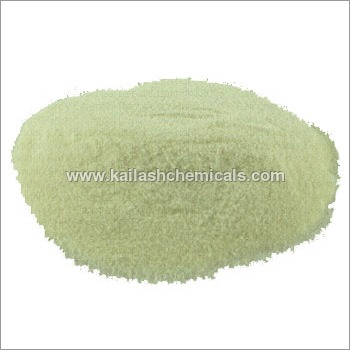
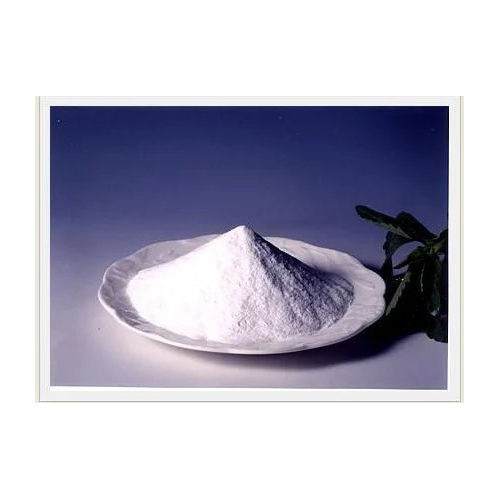
Xanthan Gum
250 INR/Kilograms
Product Details:
- Physical Form Powder
- Water Solubility Yes
- Type Flavoring Agents
- Color White, Yellow
- Purity 99%
- Application Industrial
- Storage Room Temperature
- Click to View more
X
Xanthan Gum Price And Quantity
- 10000 Unit
- 250 INR/Kilograms
Xanthan Gum Product Specifications
- Yes
- 99%
- Flavoring Agents
- White, Yellow
- Room Temperature
- Industrial
- Powder
Xanthan Gum Trade Information
- 10 Unit Per Day
- 2-3 Days
- All India
Product Description
Our company is counted as a striking Trader and Importer of Xanthan Gum. It is extensively used as a food additive and rheology modifier. One of the most remarkable properties of xanthan gum is its ability to produce a large increase in the viscosity of a liquid by adding a very small quantity of gum, on the order of one percent. In most foods, it is used at 0.5%, and can be used in lower concentrations.
- This is a food thickening agent (used for salad dressings) and a stabilizer (used in cosmetic products for preventing ingredients from separating).
- It is produced by the fermentation of sucrose, or lactose and glucose.
- After the fermentation period, the polysaccharide is precipitated from a growth medium with isopropyl.
Note: As per the demands of the valued clients, we provide this in different packaging options.
| Packaging Size | 25 kg |
| Packaging Type | Jute Bag |
| Usage/Application | industrial |
| Type | Xanthan Gum |
| Shelf Life | 1 Years |
| Flavour | Xanthan |
| Country of Origin | Made in India |
Versatile Applications in Food and Industry
With its superior water solubility and thickening properties, Xanthan Gum is widely used in the food industry for sauces, dressings, and gluten-free baking, as well as in industrial processes that require stable viscosity. Its neutral taste and safety profile make it an ideal choice for both culinary and manufacturing uses.
Storage and Handling for Maximum Shelf Life
To ensure Xanthan Gum retains its quality, it should be stored in a cool, dry place at room temperature. Sealed, moisture-resistant packaging helps prevent clumping or degradation, allowing for up to three years of shelf stability. This makes it convenient for bulk purchase and storage by manufacturers or commercial kitchens.
FAQ's of Xanthan Gum:
Q: How should Xanthan Gum be stored to maintain its quality?
A: Xanthan Gum should be kept in a cool, dry environment at room temperature, tightly sealed to prevent moisture absorption. Proper storage ensures the powder remains free from clumps and retains its effectiveness for the full three-year shelf life.Q: What are the primary uses of Xanthan Gum in food and industrial applications?
A: Xanthan Gum acts as a thickener, stabilizer, and emulsifier. In food, it improves texture in sauces, dressings, and gluten-free baked goods. Industrially, it helps maintain viscosity in processes requiring stable rheology.Q: When should Xanthan Gum be added during food preparation for best results?
A: For optimal dispersion and to avoid clumping, Xanthan Gum should be added gradually to liquids while stirring. It can be incorporated at the beginning or during the thickening stage of recipes to achieve the desired consistency.Q: Where is Xanthan Gum sourced and supplied in India?
A: Xanthan Gum is available through distributors, suppliers, and traders throughout India. It can be sourced in bulk quantities for both industrial and culinary purposes from reputable chemical and food ingredient suppliers.Q: What processing method is used to produce Xanthan Gum powder?
A: Xanthan Gum is produced by fermenting carbohydrates with Xanthomonas campestris bacteria. The resulting gum is then dried and milled into a fine powder, ensuring high purity and easy solubility.Q: Is Xanthan Gum safe and non-poisonous for food use?
A: Yes, Xanthan Gum is non-poisonous, chemically stable, and safe for use in food and industrial formulations, provided it meets the high purity standards such as the 99% grade supplied by reputable distributors.Q: What are the main benefits of using Xanthan Gum in recipes and industrial processes?
A: Xanthan Gum offers reliable thickening, superior water solubility, and stability over a wide range of temperatures and pH levels, making it a versatile and effective additive in both food and non-food applications.Tell us about your requirement

Price:
Quantity
Select Unit
- 50
- 100
- 200
- 250
- 500
- 1000+
Additional detail
Mobile number
Email

Other Products in 'FOOD AND FOOD ADDITIVES' category

Sonipat, Haryana

- 582,, HSIIDC Industrial Area, Rai, Sonipat - 131029, Haryana, India
- Phone : 08045812334


 Send Inquiry
- Mr Naveen Jain (Director)
- Mobile :08045812334
- KAILASH CHEMICALS
(A UNIT OF SHANTI FOOD INDUSTRIES)
Marketing Office : 46 Phase -II Second Floor, Badli Industrial Estate Badli, Delhi-110042
Head Office Address : 582, Food Park HSIIDC Industrial Area Rai, Haryana - 131029


 Send Inquiry
 Send SMS
 Call Me Free
|

SHANTI FOOD INDUSTRIES
All Rights Reserved.(Terms of Use)
Developed and Managed by Infocom Network Private Limited.
Developed and Managed by Infocom Network Private Limited.

